Why Paint Protection Film Singapore Drivers Trust for Daily Commutes
I have spent enough years around car wraps and coatings to know that Singapore roads are brutal on a car's front end. The combination of tropical sun, sudden downpours, and the occasional loose gravel from construction sites means that even a well-maintained car can start to look tired after just a couple of years. Many owners I speak with assume that a good ceramic coating is enough. And yes, ceramic coating does an excellent job repelling dirt and adding a layer of chemical resistance. But it is not designed to absorb the impact of a flying stone chip or the scrape of a careless driver's door in a tight carpark. That is where paint protection film Singapore drivers are increasingly turning to keep their original paint intact.
I first came across this material when a client brought in a brand new Mazda. He had just collected the keys, and before he even drove it home, he wanted something that could handle the daily grind without adding bulk or changing the colour. I recommended a clear paint protection film applied to the front bumper, bonnet, side mirrors, and door edges. He was sceptical at first, because the term "film" sounds thin and temporary. But once he saw how the material conforms to curved surfaces and how invisible it is under a gloss finish, he changed his mind. That car still looks fresh three years later, and the film has taken every chip and scuff that would have gone straight into the clear coat.
For anyone considering paint protection film Singapore offers a wide range of options, from entry-level products to premium vinyl from manufacturers like 3M, Avery Dennison, and Oracal. Each brand has its own approach to UV resistance and durability. I tend to steer clients toward films that include a polyurethane topcoat, because that extra layer provides better self-healing properties against light scratches. If you park outdoors under direct sunlight exposure every day, a film with strong UV resistance will prevent the edges from yellowing over time. It is a small detail, but it makes a big difference when you eventually sell the car and someone inspects the paintwork under bright lights.
How Paint Protection Film Differs from a Car Wrap
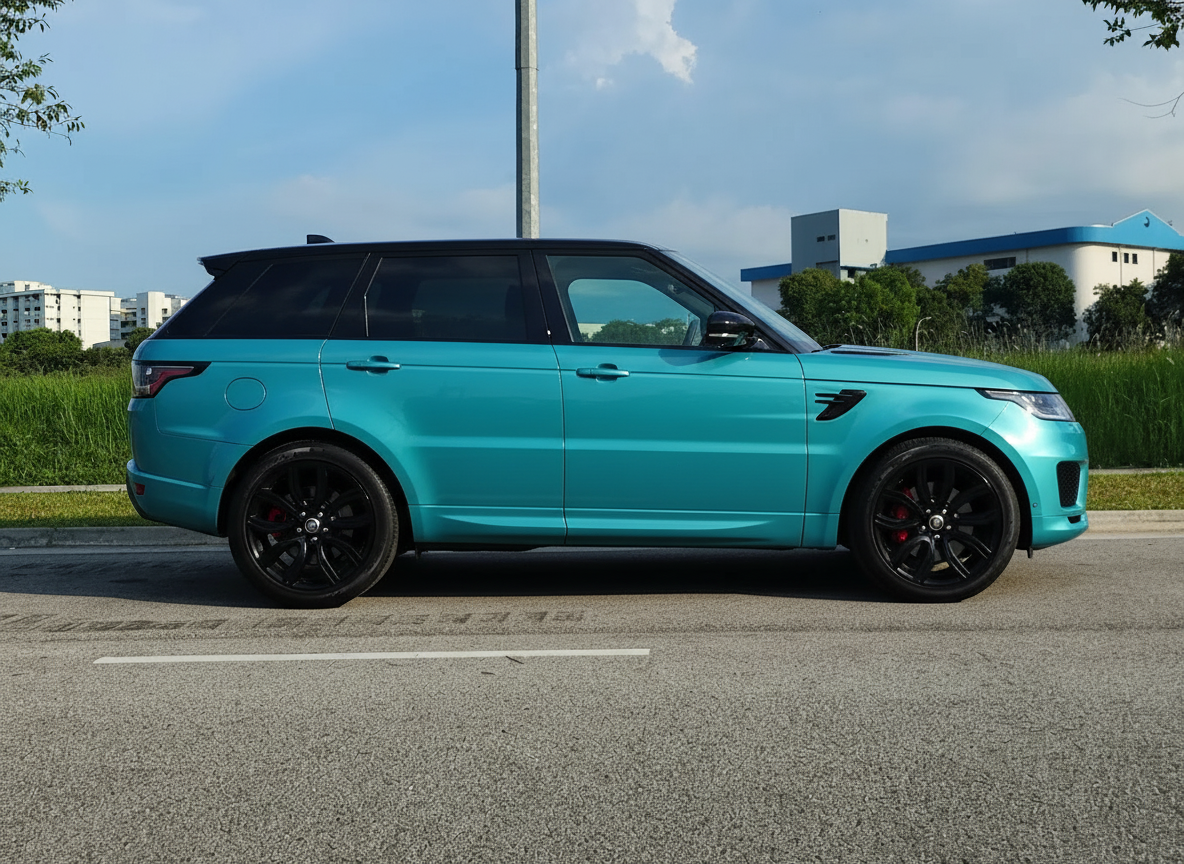
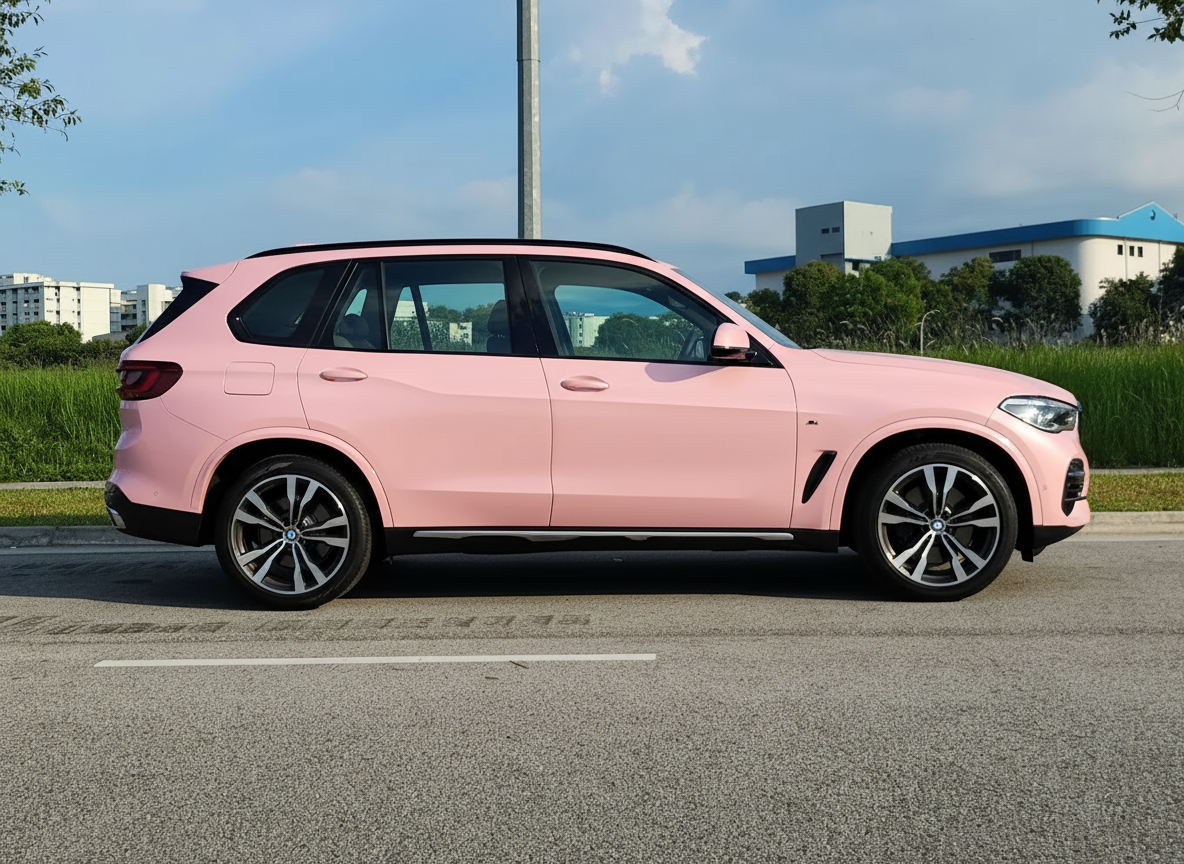
A common misunderstanding is that paint protection film is the same as a car wrap. They are related, but not identical. A car wrap is usually a full-colour or textured vinyl that changes the appearance of the vehicle. It can be matte finish, gloss finish, or even metallic. Paint protection film, on the other hand, is designed to be nearly invisible. Its job is to shield the original clear coat from physical damage while preserving the car's factory look. Some drivers use a clear paint protection film over their existing colour, and others layer it beneath a custom wrap to protect the original paint underneath. I have seen both approaches work well, depending on the owner's priorities.
If you enjoy car customization and like to change your car's look every few years, you might prefer a full wrap with a removable film underneath. That way, when you peel off the wrap later, the original paint is still in showroom condition. I have worked on cars where the owner went through three different colour changes over five years, and each time the underlying clear coat looked untouched because of the sacrificial layer underneath. That kind of planning pays off when it comes to vehicle resale value. Buyers in Singapore pay a premium for cars with original paint that has never been resprayed.
Installation: Professional vs DIY Installation
One question I get often is whether a driver can install paint protection film themselves. The honest answer is that it depends on your patience and skill level. DIY installation is possible for flat or simple panels, especially if you use a wet application method with a slip solution. But curved surfaces like bumpers and side mirrors require a heat gun to stretch the film without creating creases or bubbles. I have tried both approaches, and I can tell you that a professional install looks cleaner and lasts longer. A studio that specialises in car wrap services, like those in Singapore that let you preview the result on your own car before committing, will have the right tools and experience. They also use laser cutting to pre-cut the film precisely for your car model, which avoids the need to trim sharp edges by hand.
Errors during a DIY job can trap dirt or moisture under the film, leading to visible marks that defeat the purpose of protection. If you do decide to try it yourself, work in a shaded, dust-free area and take your time. Use a squeegee with a soft edge and keep the surface wet until you are satisfied with the alignment. Even then, expect some imperfections. For most people, paying a professional is worth the peace of mind.
Maintenance and Longevity
Once the film is on, maintenance is simple. You wash the car as usual, avoiding abrasive brushes or harsh chemicals. A quick rinse with a mild car shampoo and a microfiber cloth is all you need. The film itself is durable, but the edges can collect wax or dirt if you let it build up. I recommend a routine clean every two weeks, especially if you drive on Singapore roads where dust and oil residue are common. The film should last between five and seven years under normal conditions, though direct sunlight exposure in our climate can shorten that lifespan slightly. When it does start to show wear, the film can be removed without damaging the paint, leaving the clear coat protection intact underneath.
Some drivers ask if they still need a ceramic coating on top of the film. That is a personal choice. Ceramic coating adds hydrophobic properties and makes cleaning easier, but it is not necessary for protection. The film already handles the physical impact. If you want maximum gloss and easy cleaning, a light ceramic coating on top of the film works well. Just make sure the coating is compatible with the film's chemical makeup. I have seen cases where incompatible coatings caused a slight haze on the film, which required polishing to fix. Stick to reputable brands and test on an inconspicuous area first.
Is Paint Protection Film Worth It for Your Car?
For anyone who plans to keep their car for more than three years, I think the answer is clearly yes. The cost of a quality paint protection film installation is a fraction of what you would spend on a respray or touch-up later. And if you are the kind of owner who appreciates a pristine finish, the peace of mind alone is worth it. I have applied film to everything from budget hatchbacks to high-end sports cars, and every owner has said they wish they had done it sooner. The film is especially effective on the front bumper and bonnet, where most road debris hits. Even a small chip in the clear coat can lead to rust or peeling over time, especially with Singapore's humidity.
As a final thought, I will say that paint protection film Singapore drivers choose today is not the same as the thick, orange-peel textured films of a decade ago. Modern materials from 3M and Avery Dennison are optically clear, self-healing to a degree, and conform beautifully to complex shapes. The best part is that you never have to think about it once it is on. You just enjoy your drive and park without anxiety. That is the kind of real-world benefit that no spray-on coating can fully match.
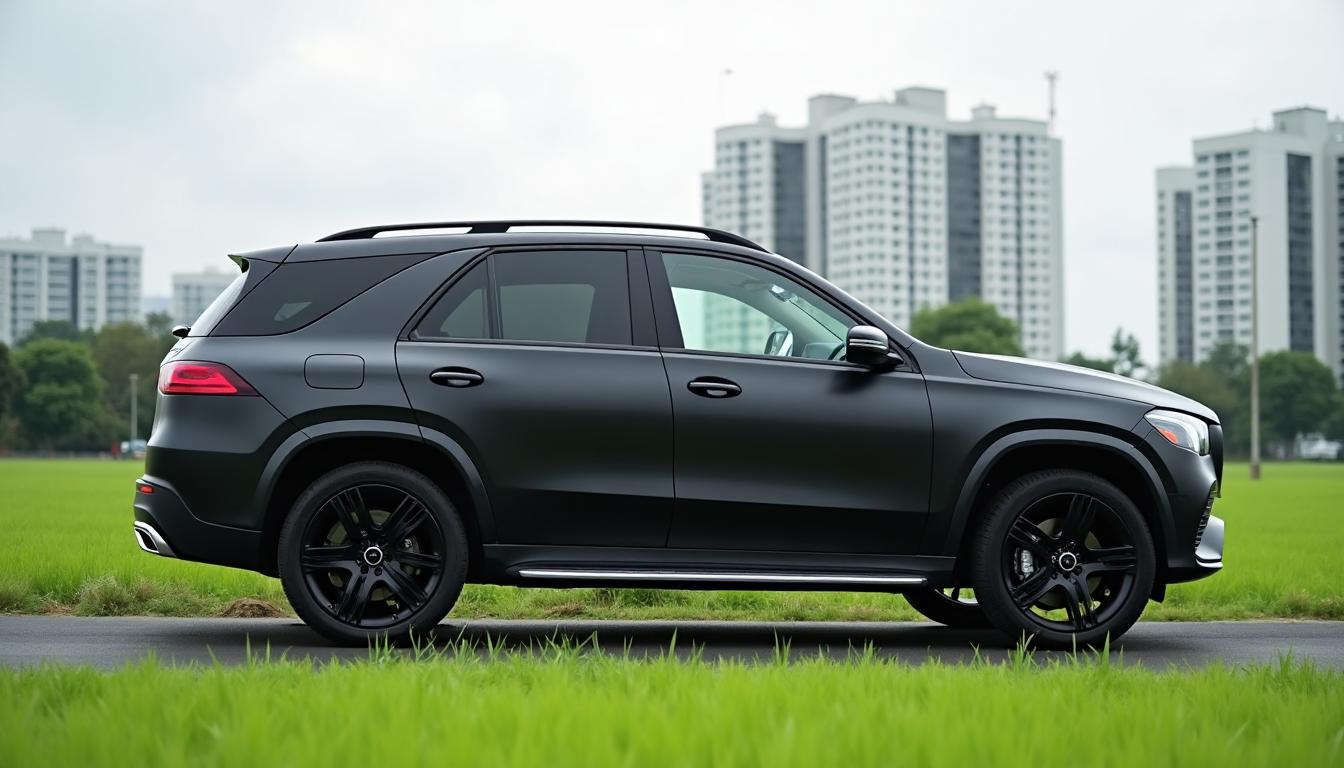
If you are still unsure, find a local studio that offers a preview on your own car model. See how the film looks on the curved surfaces of your specific car. Ask about the polyurethane topcoat and whether the film can be removed cleanly after five years. A good shop will be transparent about the process. And once you experience the difference, you will likely never skip this step on your next car.